

Supportful’s survey reveals a growing and evolving tech scene in Lebanon, with high remote work adoption, a relatively strong representation of women, and modern tech stacks like React and Python leading. These insights highlight Lebanon’s potential as a competitive and adaptable tech talent hub despite limited existing research.
Since founding Supportful 3 years ago, I always tried to find research studies or reports on the state of the local tech talent scene in Lebanon. Nothing. There are no relevant stats for simple things like the number of computer science graduates every year, let alone about tech talent retention.
I then thought: why don't we do this job that nobody seems to be wanting to do? We designed a brief survey, dispatched it to tech communities, and got what we believe is the first survey about the tech talent landscape in Lebanon. I compile in this article some of the findings, and we will publish the full 2024 Lebanese Tech Scene Report in August.
Disclaimer: We are not a research firm and we do not claim to be one. 406 software engineers in Lebanon responded to the online survey, representing various age groups and companies.
The percentage of software engineers working fully-remotely was surprising - and delightful! A staggering 46.1% of respondents said they worked remotely while 28.3% worked in hybrid mode and 25.6% on-site.
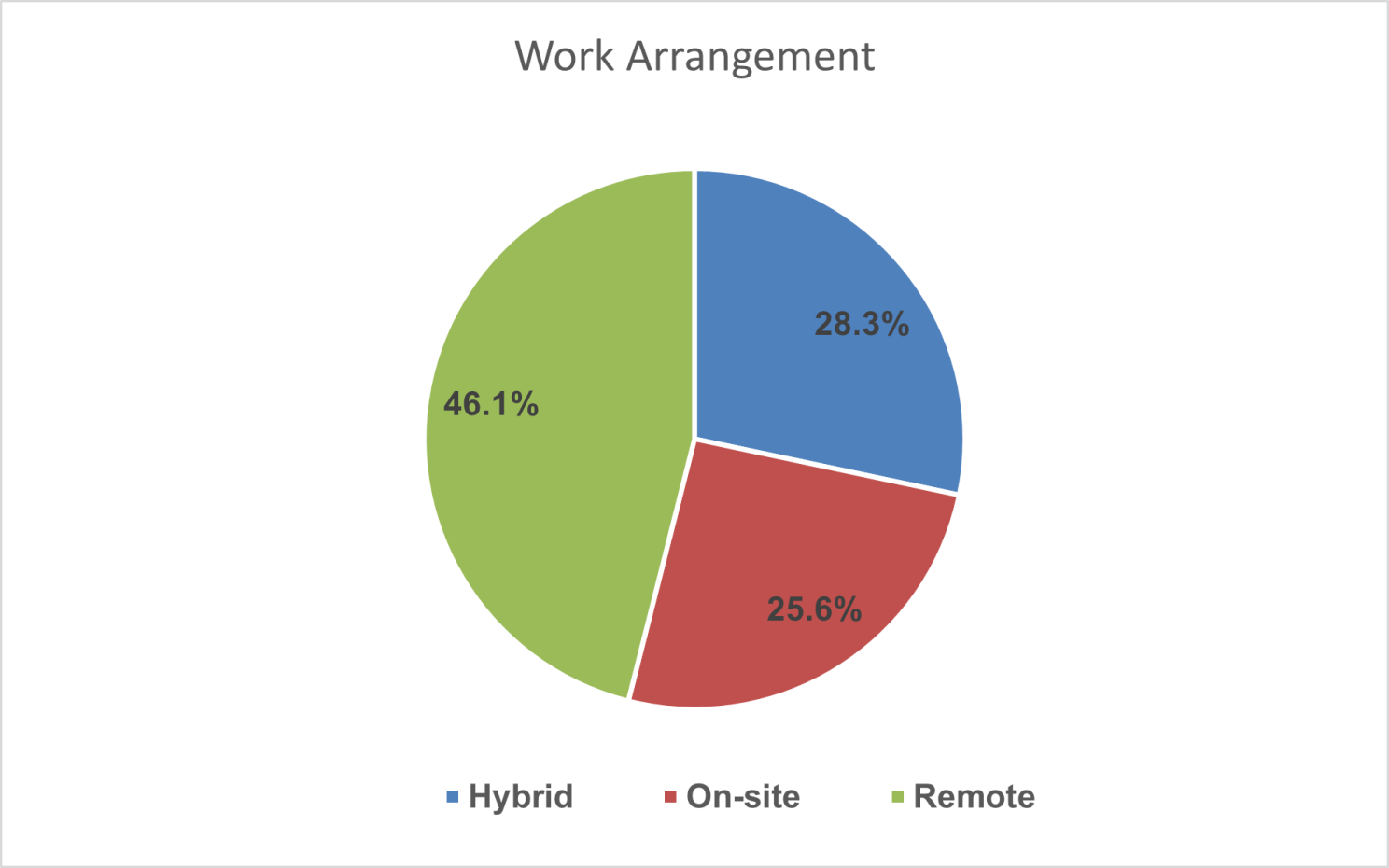
While Return-to-Office mandates (RTO) have skyrocketed in the years that followed the end of the pandemic, many software engineers are still working remotely. If you're familiar with Supportful's mission of allowing small Lebanese communities to retain their human capital, you can understand why I'm happy to see this figure. Additionally, Lebanese engineers seem to have found a way to work around the lack of modern infrastructure in many parts of the country.
26.6% of respondents were female while 73.2% were male and 0.2% preferred not to identify. This percentage of female software engineers is higher than the global female average of 16% found in a previous LinkedIn study, and the US average of 22% per a study by Zippia.
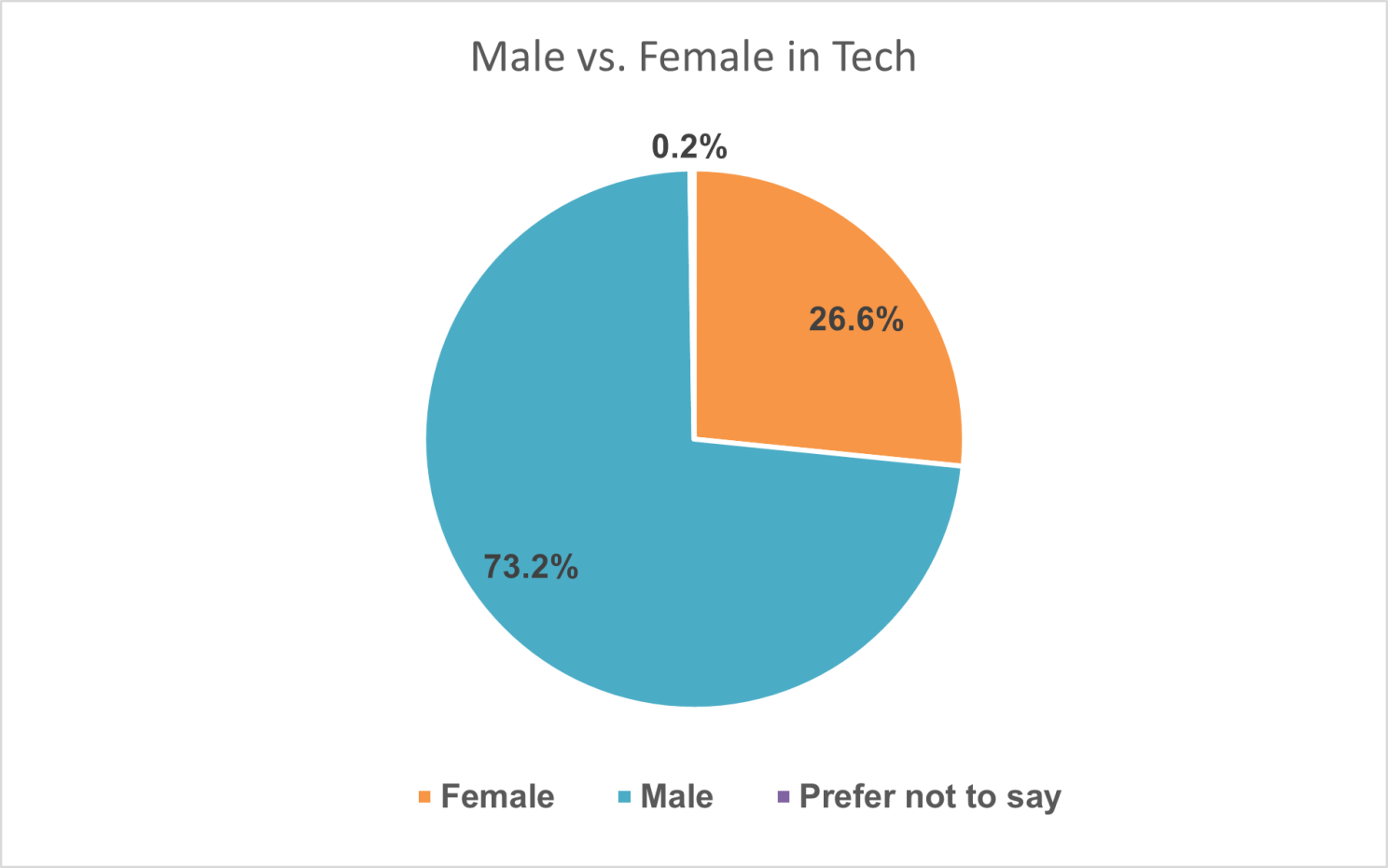
I'm not surprised by this ratio. Software engineering was never part of the historical "men's jobs" in Lebanon, in contrast with other engineering fields such as civil and mechanical engineering. I also believe the pandemic showed women that software roles allow for work flexibility which is something Lebanese women tend to appreciate more than their male counterparts.
A preliminary dive into the specifics of this figure shows that the ratio of female engineers decreases with age, probably indicating that women do distance themselves from coding as they advance in their career. More on this in the final report.
React stands out as the most used technology framework among software engineers in Lebanon with 36.7% of respondents stating they currently use it. Python is in the second position with 29.1% of respondents currently using it followed by Node (26.4%) and Java (23.9%). This ranking is in line with the findings from GitHub's Octoverse report in 2023 which placed JavaScript, TypeScript, Python, Java, and .NET in the top 5 positions.

It is interesting to note that DevOps and Data Science & AI are on a par with PHP, something that wouldn't have been thought of a few years ago. On the mobile front, cross-platform frameworks such as React Native and Flutter have become much more used than native mobile languages (Kotlin and Swift).
These are only preliminary findings from the survey. The full report will be available in August. It will contain more figures, in-depth analysis, and elaboration on topics such as talent retention and quality of life. Stay tuned!
Fadi Boulos is the founder of Supportful, a software engineering consulting firm based out of Lebanon. He enables startups in the US and Europe to augment their teams with remote engineers from Lebanon, helping reduce the brain drain in the country and preserve the human capital of its small communities. Fadi has 20 years of experience working in the tech space in the UK, France, and Lebanon, and holds a Ph.D. in Computer Science from the University of Nantes, France.



Book a call and get matched with engineers in 24–72h.