

A practical guide to getting the most out of conferences through curiosity, meaningful conversations, genuine connections, and thoughtful follow-ups.
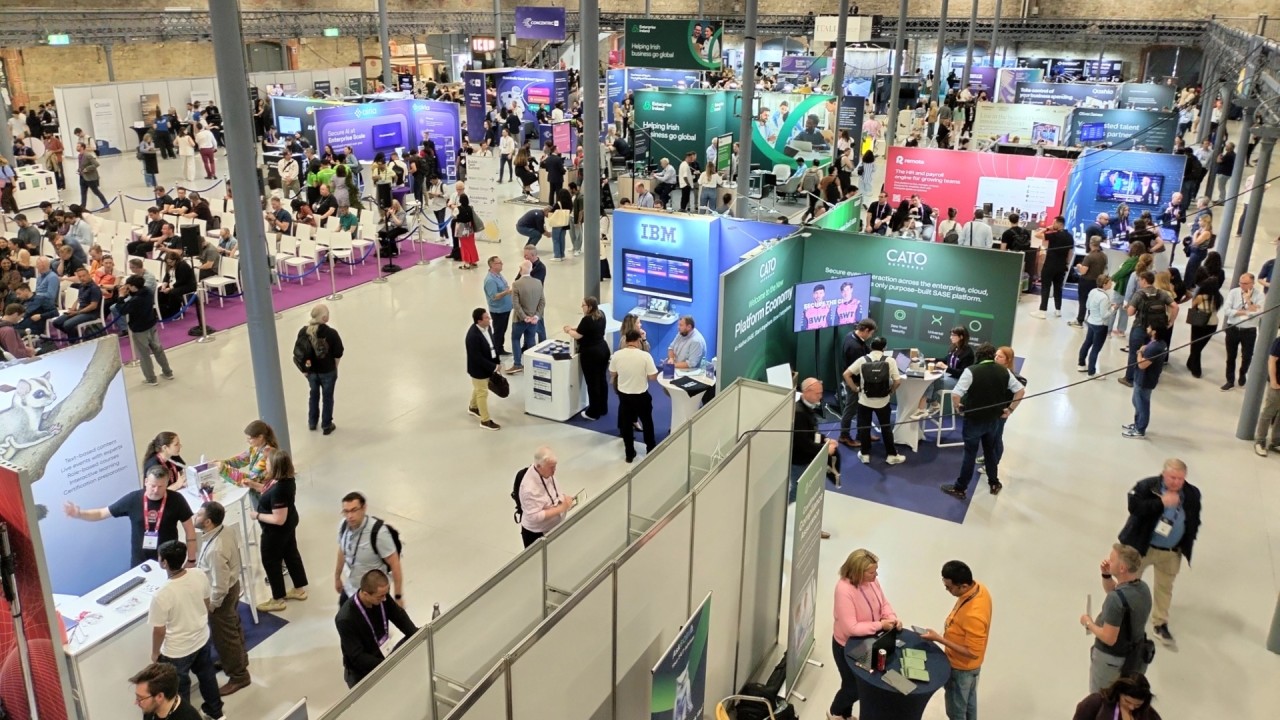
I've just come back from two conferences of different sizes: VivaTech in Paris with its 180,000 attendees and the Dublin Tech Summit with a few thousand.
I attended both as a visitor. No booth or speaking slot. Just me walking the conference floor, learning about the latest products and trends, meeting new people, and bringing in clients along the way.
The conferences were very different, but my approach wasn't.
Every new encounter is an opportunity to learn something new and broaden my perspective. That mindset has helped me get far more value from conferences than I ever would have if I had attended with sales as my only objective.
Some of those conversations eventually become client relationships because there's a genuine win-win opportunity.
Below is my personal playbook for approaching conferences.
Full disclosure: I genuinely enjoy meeting new people. Some call it extroversion. I simply like connecting with people and learning about what they're building. Even if this doesn't come naturally to you, give it a try. You may discover it's much easier than you expect.
A week before the conference, I go through the agenda and identify the sessions I'd like to attend. I add them to my calendar and build each day around them.
One of the biggest reasons I attend conferences is to hear directly from industry leaders about what they're building, what's working for them, and where they think the industry is heading.
I also look at the list of participating companies to get a feel for the audience. Is it mostly startups, enterprises, or a mix of both? My ICP is generally startups and smaller companies, so I naturally spend more time around that part of the exhibition.
I use an AI agent to identify whether people in my LinkedIn network work at participating companies. If they do, I stop by their booth to say hello and sometimes finally meet them in person.
I believe a balanced mix of conversations and talks is the best way to approach a conference.
I like to ease into the day by visiting booths of companies I already know. Even better if it's a product I like or a company where I know someone. It helps me get into the rhythm of meeting people and starting conversations.
My approach is simple: ask questions, don't pitch. I start by asking what they're building and what challenges they're solving. I listen carefully and try to understand how their product fits into the market. Sometimes I realize one of my clients could benefit from it.
Once they're done explaining, I naturally tell them what we do. I want the exchange to feel like a conversation between two people who are curious about each other's work.
I've seen the opposite approach many times. Someone walks up, launches into a rehearsed pitch, hands over a business card, and leaves before a real conversation even begins. I remember witnessing exactly that at VivaTech while chatting with someone I'd just met. We both had the same reaction after the person walked away.
When there's a genuine opportunity for both sides, I continue the conversation. Otherwise, I leave having met someone new and learned something interesting.
One small habit has helped me build stronger connections. I always try to find something we have in common. It could be a customer in the same industry, a product we both use, the football team we support, or a country we've both lived in. Small connections make conversations more memorable.
To keep myself motivated, I set a target of ten meaningful conversations every conference day. It gives me a clear objective and encourages me to keep meeting people throughout the event.
After a full day of attending talks and visiting booths, feeling tired is normal. The temptation is to call it a day. Yet every new conversation can open a door you didn't expect.
A few years ago, I was at VivaTech. It was already 4 PM on the last day of the conference, and I was getting ready to leave. Then I spotted a small startup booth at the end of the conference hall. I was tired, but I told myself: "Let's do one more visit."
The startup was working in energy storage. It was a fascinating conversation about a topic I knew little about. During our discussion, I discovered they needed help with their dashboarding and display tools. We exchanged contact details and continued the conversation after the conference.
A few days later, we had a call to discuss the scope of work. After several conversations over the following months, we realized there was a strong fit and started working together.
All of this happened because I decided to have one more conversation at the least expected time of the event.
I use every opportunity to meet people: while waiting for coffee, standing in line for technical support (conference apps can be painful), or waiting to enter a packed session. When everyone around you is in the same situation, starting a conversation becomes much easier.
I apply the same approach outside the conference itself: at the airport, on the plane, or at a pub where other attendees gather after the event. During my last trip, some of my best conversations happened outside the conference halls.
The LinkedIn mobile app has an underrated feature. When you click in the search bar, you'll notice a small QR code icon on the right side, just above your recent searches.
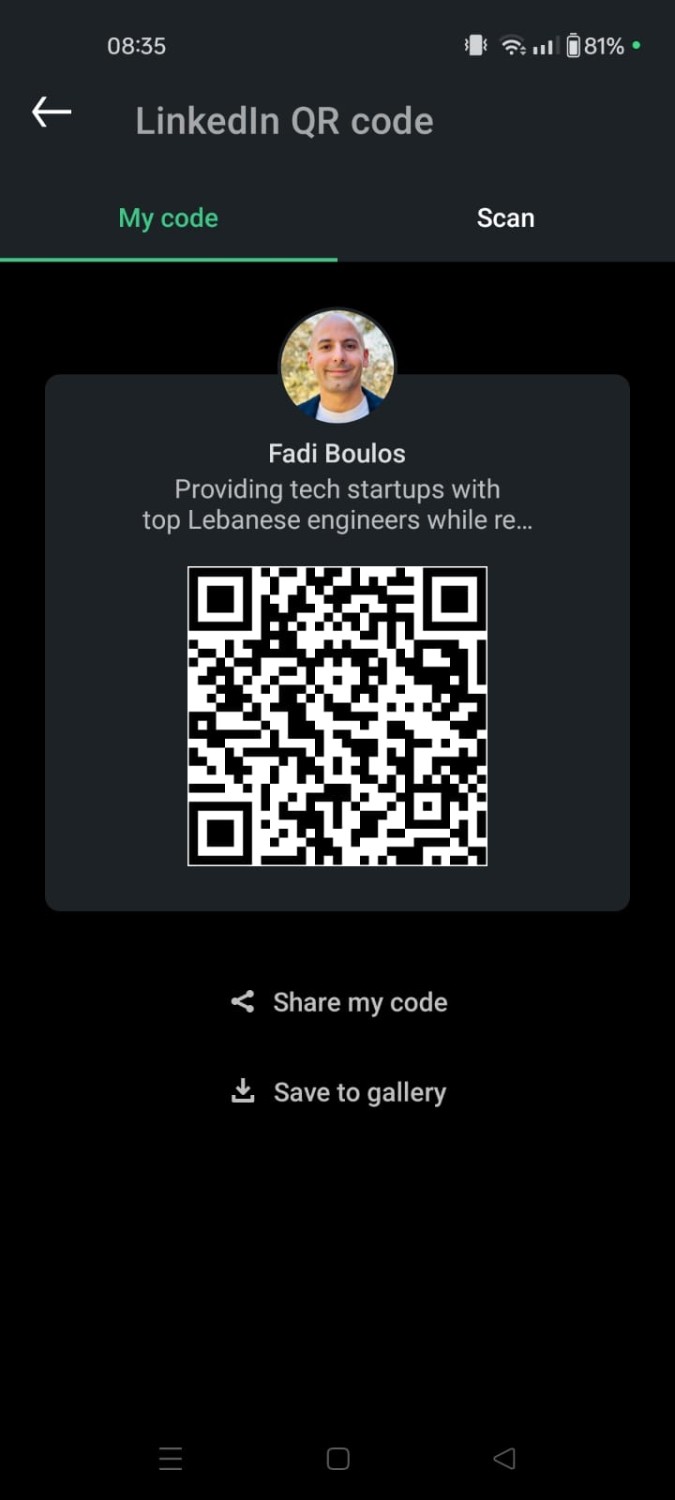
This feature allows you to display your LinkedIn profile as a QR code that others can scan to connect with you. You can also scan someone else's code.
This is my favorite way to keep track of the people I meet at conferences. I rarely use conference apps for networking. Their UX often sucks and makes it difficult to maintain relationships after the event.
When you meet 10+ people a day, remembering every conversation becomes difficult. That's why I make quick notes after every meaningful interaction. Sometimes it's a written note; other times, it's a voice note I send to myself.
I capture the context of the conversation, what the person is working on, and any follow-up opportunities. (This gives me an idea for an AI agent that could incorporate these notes directly into the CRM. Worth exploring with Claude Code.)
The most effective actions are the immediate ones. Once I'm back from the conference, I revisit my notes and take swift action on them.
For people I haven't connected with on LinkedIn yet, I send a personalized message mentioning where we met and what we discussed. For existing connections, I follow up with more context. I remind them of what I enjoyed about our conversation and look for ways I can be helpful.
If we discussed something for the future, I add a reminder to my calendar and reconnect when the timing makes sense.
Many people underestimate the power of follow-up. Someone who showed interest during a conference might simply return to a busy schedule and our conversation naturally moves down their priority list. A thoughtful follow-up brings that conversation back and reminds them that there was something worth exploring. You would be surprised by the response rate from following up a second or third time with people you met.
This is what has worked for me over the years. AI-powered automation will certainly make this process more efficient in the future.
However, genuine curiosity and human connection are not things AI can replicate. I'll keep doing them because they're what bring real value to networking.
Fadi Boulos is the founder of Supportful, a software engineering consulting firm based out of Lebanon. He enables startups in the US and Europe to augment their teams with remote engineers from Lebanon, helping reduce the brain drain in the country and preserve the human capital of its small communities. Fadi has 20 years of experience working in the tech space in the UK, France, and Lebanon, and holds a Ph.D. in Computer Science from the University of Nantes, France.

.jpg)
.jpg)

Book a call and get matched with engineers in 24–72h.