



Lebanon combines strong education, a growing tech ecosystem, and global success stories to position itself as an emerging hub for software engineering talent. Despite economic challenges, its young, resilient, and multilingual workforce continues to drive rapid growth in tech and outsourcing.
Lebanon has been known among other things for its vibrant night life. CNN featured Beirut as one of the best party cities in the world and once labeled it the Middle East's party capital. Lonely Planet described Beirut as the Middle East's original party city. The reasons range from a celebratory culture up to coping and forgetting about decades-long political and existential crises. Another facet of Lebanon that is much less known is software engineering outsourcing. The country has been home to some brilliant tech companies and is becoming a growing tech talent hub in the region.
The major historical factor that allowed for the growth of such a community is the education system. Lebanon has one of the best educational systems in the Middle East. A few years ago, the World Economic Forum ranked Lebanon 10th out of 144 countries in the Quality of Educational System, and 4th in the Quality of Math & Science education.
Lebanon is home to the oldest universities in the Middle East: the American University of Beirut (AUB) founded in 1866 and the Saint Joseph University founded in 1875. It is also home to the oldest French-speaking school in the Middle East - College Saint Joseph in Antoura - founded in 1834. There are more than 30 universities in this country which area is the third of Belgium's.
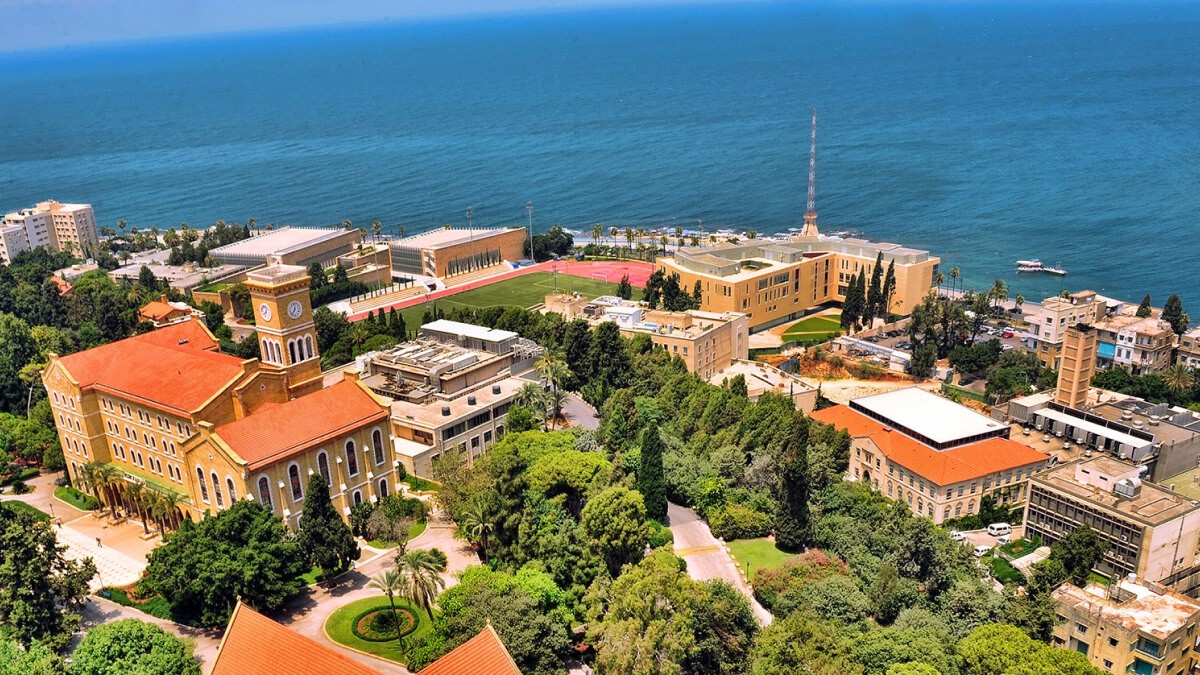
Lebanese parents would sacrifice any of their privileges to get their children a good education. This generally translates into a high college enrollment rate.
Young Lebanese students are finding a source of inspiration in tech companies who made it to the international scene. To name a few, Murex and Anghami are notable examples of successful companies. Murex is the global leader in the capital markets tech industry with over 17 offices around the world. Anghami is the leading music streaming platform in the Arab World and one of the few to be listed on the Nasdaq stock market.
Other companies are acting as the outsourcing arm for multinationals and mid-sized companies in dozens of countries around the world, including the US, Canada, France, Germany, Switzerland, UK, United Arab Emirates, and Saudi Arabia. Consequently, the demand for tech talent has skyrocketed in the past few years.
The local tech community has been expanding at a fast pace, backed by Big Tech. Amazon, Meta, and Google supported the creation of multiple communities such as AWS User Group Beirut, Meta Dev Circle, Google Developer Groups, and Google Developer Student Clubs. These groups play an important role in educating and inspiring students and youth.
There are also tech bootcamps such as SE Factory, Codi_Tech, and ZAKA | زكا which have been graduating hundreds of ready-to-work software engineers.
Other tech communities with a more local flavor were also born in the past couple of years. They are either focused on a technology such as Beirut AI, MongoDB User Group, and Gaming Academy, or are generic like DeveLeb and Tech & Code. Most of these groups operate on WhatsApp which brings them closer to millennials and Gen Z.
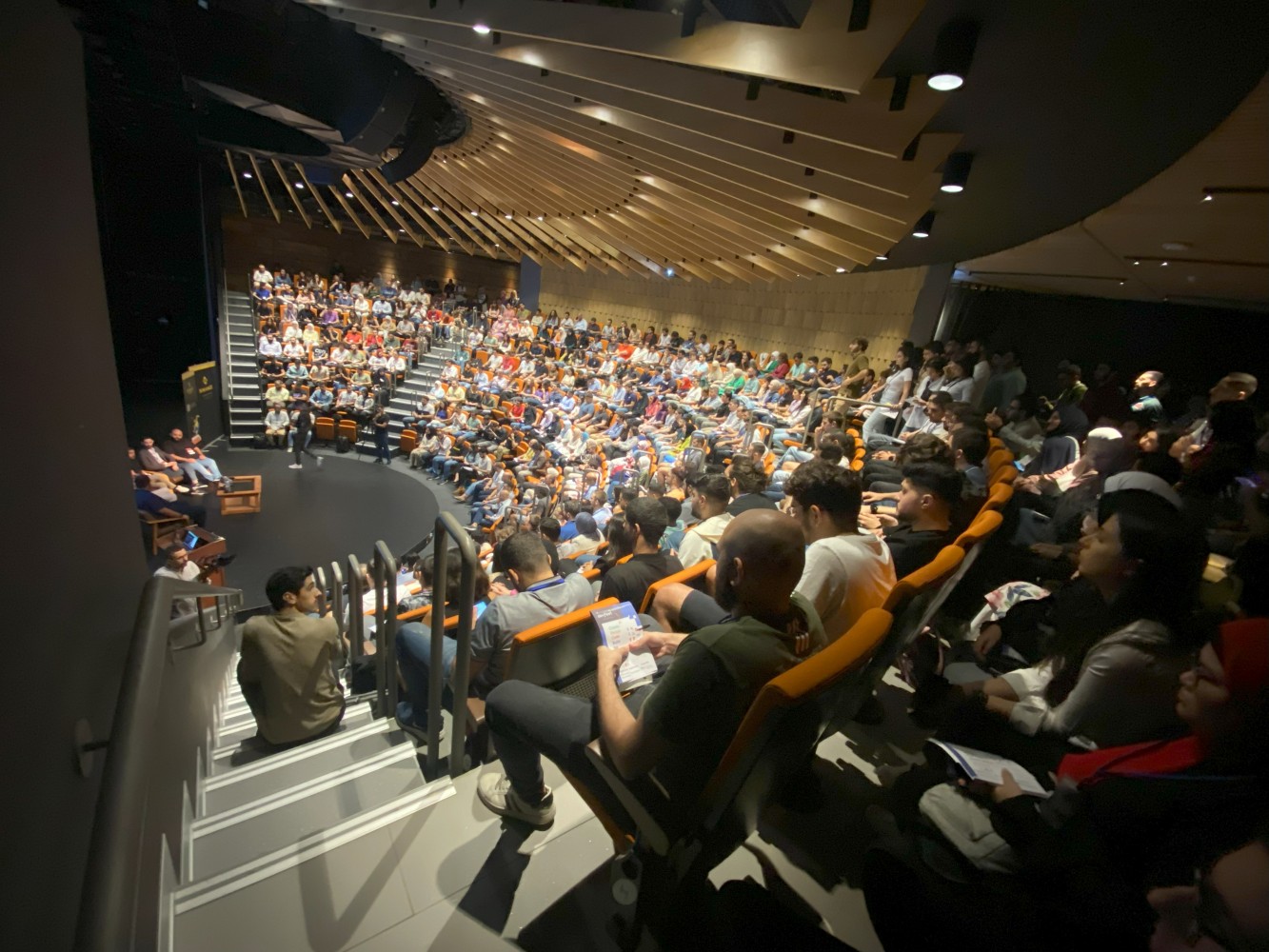
A major financial and economic crisis stormed Lebanon in 2019. Labeled by the World Bank as one of the worst economic crises globally since the mid-nineteenth century, it resulted in people losing their bank savings, triple-digit inflation rates, the local currency losing 98% of its value, power, fuel, and medicine outages, and loss of healthcare coverage for millions of Lebanese. Faced with this harsh reality, the young workforce that did not want - or could not - leave the country turned to the tech sector, the largest supplier of remote job opportunities. With 40% of the overall population aged under 25 (compared to 29% in developed countries), thousands of tech workers are joining the job market every year. Since the crisis, the tech talent pool has grown almost exponentially.
Enrollment in computer science majors has surged at all universities. I personally know a dozen career shifters who became (good) software engineers after previously working in accounting, psychology, electrical engineering and HR. What was historically regarded as a dull job that is a fit for socially awkward geeks is now admired for being future-proof and global.
Lebanon is located in the Eastern Mediterranean, near Europe and at the heart of the Middle East. It is in the UTC+2 time zone, making it able to cater for both East and West. Tech companies can easily work EU and GCC times, can extend to Eastern time, and can largely overlap with Pacific time.
The Lebanese culture is Mediterranean, i.e., it is warm and open (and has delicious food). The country has 18 different religious denominations, and Lebanese engineers are able to work in teams with members from diverse backgrounds. They are known to adapt to any situation as they have developed a "resilient" attitude due to the nature of events that happened in Lebanon during the past 2 decades. (Side note: this is a good thing for companies Lebanese work in, but a bad thing for a real change in the country.)
Lebanese software engineers have also good communication skills. They are all fluent in English, and some of them are also fluent in French.
I believe the above are the major factors behind Lebanon's tech talent growth. Let me know if you think there are other factors involved.
Fadi Boulos is the founder of Supportful, a software engineering consulting firm based out of Lebanon. He enables startups in the US and Europe to augment their teams with remote engineers from Lebanon, helping reduce the brain drain in the country and preserve the human capital of its small communities. Fadi has 20 years of experience working in the tech space in the UK, France, and Lebanon, and holds a Ph.D. in Computer Science from the University of Nantes, France.




Book a call and get matched with engineers in 24–72h.